Closing the Gap: Community Health and Wellness in Northern and Remote Indigenous Communities
Health disparities between Indigenous and non-Indigenous Canadians remain among the most persistent inequities in the country. Closing that gap requires more than clinical services — it requires community-driven wellness planning rooted in culture, prevention, and local capacity.
Health is not simply the absence of illness. For Indigenous communities, health is a holistic concept that encompasses physical, mental, emotional, and spiritual well-being — and it is deeply connected to land, culture, language, and community relationships. Yet for too many First Nations, Inuit, and Métis communities — particularly those in northern and remote regions — access to the services and supports needed to achieve that vision of health remains profoundly unequal.
The Reality of Health in Remote Communities
The statistics are well documented. Indigenous Canadians experience higher rates of chronic disease, mental health challenges, and preventable illness than the general population. In remote and northern communities, these disparities are compounded by geographic isolation, limited infrastructure, workforce shortages, and the long shadow of intergenerational trauma. A community that is hours from the nearest hospital, that struggles to recruit and retain health workers, and that has seen its cultural practices disrupted over generations faces health challenges that no single program or policy can solve.
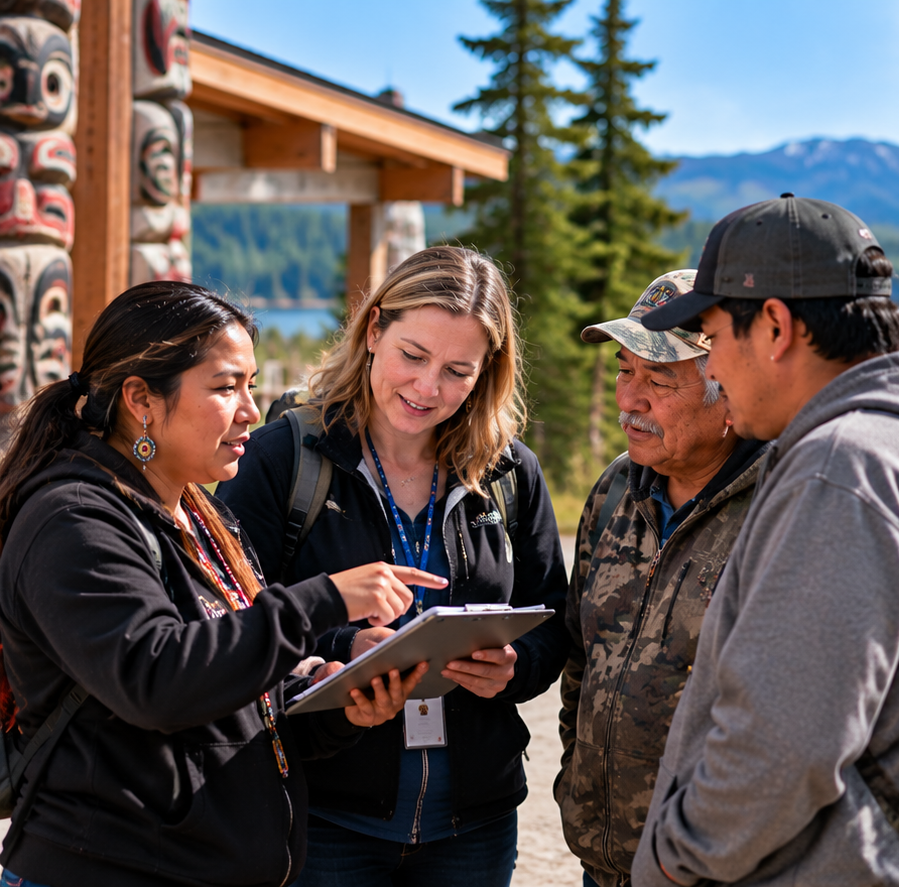
What these communities need is not more top-down health interventions designed elsewhere and delivered without context. They need community-driven wellness planning that starts with local priorities, builds on existing strengths, and creates sustainable capacity for health promotion and disease prevention that communities can own and operate themselves.
Prevention as the Foundation
The most cost-effective and impactful health investments are preventive ones. Chronic disease management, mental health crisis response, and emergency medical care are all essential — but they are responses to problems that, in many cases, could have been prevented or reduced through earlier intervention. Community health and wellness consulting that prioritizes prevention focuses on the upstream determinants of health: nutrition, physical activity, safe housing, social connection, cultural engagement, and access to education and economic opportunity.
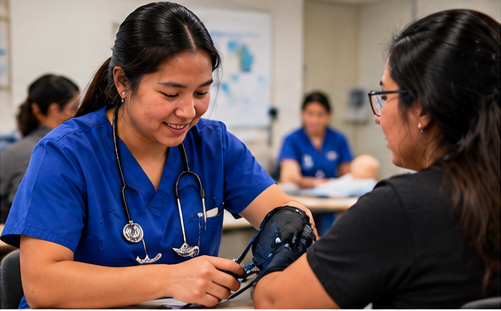
In northern communities, this means designing wellness programs that are practical in remote environments — programs that can be delivered by community health workers, that integrate traditional knowledge and healing practices, and that address the specific risk factors most prevalent in each community. It means building the data infrastructure to track health outcomes over time, so communities can see what is working and adjust their approach. And it means developing the local workforce — training community members as health promoters, mental health workers, and wellness coordinators — so that programs continue long after external consultants have left.
Emergency Preparedness: A Critical and Often Overlooked Priority
Remote communities face unique emergency preparedness challenges. When a health crisis, natural disaster, or infrastructure failure occurs, the response capacity that urban communities take for granted — nearby hospitals, mutual aid from neighbouring municipalities, rapid supply chain access — simply does not exist. Communities that have invested in emergency preparedness planning are dramatically better positioned to protect their populations when crises occur.
Effective emergency preparedness for remote Indigenous communities includes community-specific risk assessments, evacuation planning, stockpiling of essential medical supplies, training of local first responders, and clear communication protocols with provincial and territorial health authorities. It also means building relationships and agreements with partner organizations before emergencies happen — so that when they do, the response is coordinated, rapid, and effective.
A Path Forward
Improving community health outcomes in northern and remote Indigenous communities is achievable — but it requires sustained investment, genuine partnership, and a commitment to building local capacity rather than creating dependency on external services. The communities that are making the most progress are those that have taken ownership of their health agenda: defining their own wellness priorities, building their own health workforce, and holding their service providers accountable to community standards.
OpulenCare works alongside communities to develop the health and wellness strategies, workforce capacity, and emergency preparedness plans needed to close the gap — not just in statistics, but in the lived experience of every community member.